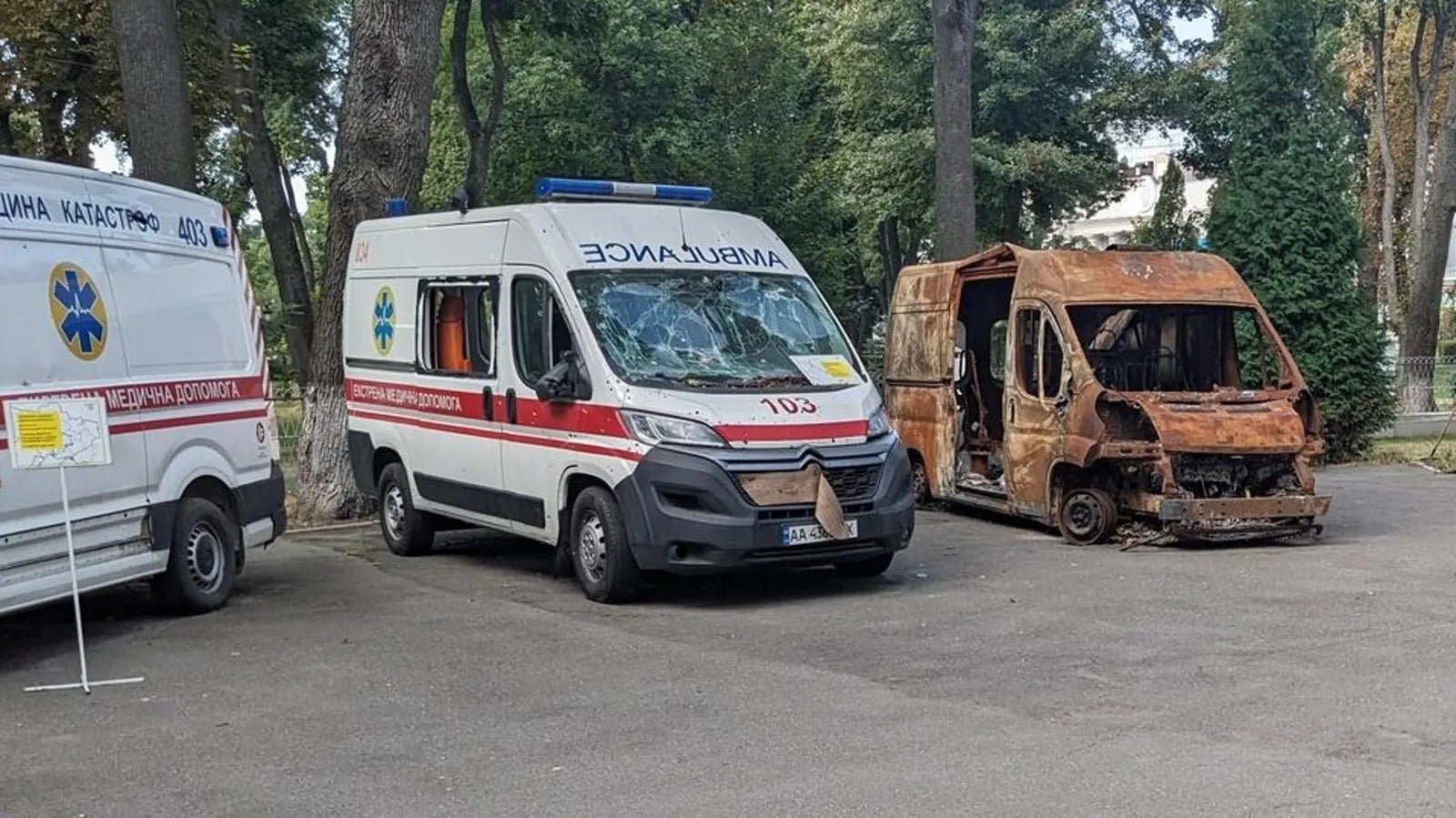
KYIV: Russian bomb attack on a bus in Ukraine causes 30 deaths. According to the sources, in a tragic escalation of the conflict, a series of devastating Russian glide bomb strikes targeted two passenger buses in the front-line city of Kramatorsk, located in eastern Ukraine’s Donetsk region.
The brutal assault resulted in at least 30 fatalities and left dozens injured, drawing fierce condemnation from Ukrainian leadership and intensifying concerns over the soaring human cost of the ongoing hostilities.
According to regional authorities and emergency services, the precision-guided munitions struck a busy street directly adjacent to packed public transit vehicles.
Ukrainian officials reported that the death toll quickly climbed as rescue workers sifted through the wreckage, with at least 18 individuals sustaining varying degrees of injuries. Additionally, concurrent strikes hit the nearby village of Bilenke, claiming three more lives.
Ukrainian President Volodymyr Zelenskyy fiercely denounced the operation, labeling the deliberate targeting of civilian transport as an act of absolute ruthlessness.
He emphasized that the nation would not let the bloodshed go unanswered, while regional military administrations immediately suspended public transportation routes in vulnerable areas to mitigate further risks.
Meanwhile, independent verification of the military rationale behind the specific strike remains absent, and Russian officials have yet to issue a detailed official response regarding the passenger vehicle casualties.
Casualties and Losses in the Russia-Ukraine War
The tragic incident in Kramatorsk underscores the catastrophic toll that the ongoing conflict continues to exact on civilian populations and military personnel alike.
As the war grinds forward, both sides have experienced staggering human and material attrition. International monitors and human rights organizations report that civilian casualties have steadily accumulated due to the extensive use of heavy artillery, missile barrages, and devastating glide bombs in densely populated areas.
Independent estimates and intelligence assessments indicate that hundreds of thousands of combatants have been killed or wounded since the full-scale invasion escalated, accompanied by immense economic disruption, infrastructure devastation, and millions of displaced citizens.
The systematic targeting of urban centers, transport links, and energy grids has pushed humanitarian needs to critical thresholds across front-line zones.
Despite repeated diplomatic initiatives and international pressure, the conflict remains locked in a high-intensity war of attrition, with casualty counts continuing to rise daily as military strategies rely heavily on long-range aerial bombardments and entrenched ground engagements.
Conclusion
The deadly assault on civilian transport in Kramatorsk highlights the severe vulnerability of non-combatants trapped near active front lines.
As international leaders assess the unfolding humanitarian crisis, the tragedy reinforces the urgent need for robust protections for civilians and renewed pathways toward a sustainable peace.
At least 30 dead in Russian glide bomb attacks on buses in Ukraine
This video report from major news coverage details the deadly glide bomb strikes on civilian passenger buses in Kramatorsk.