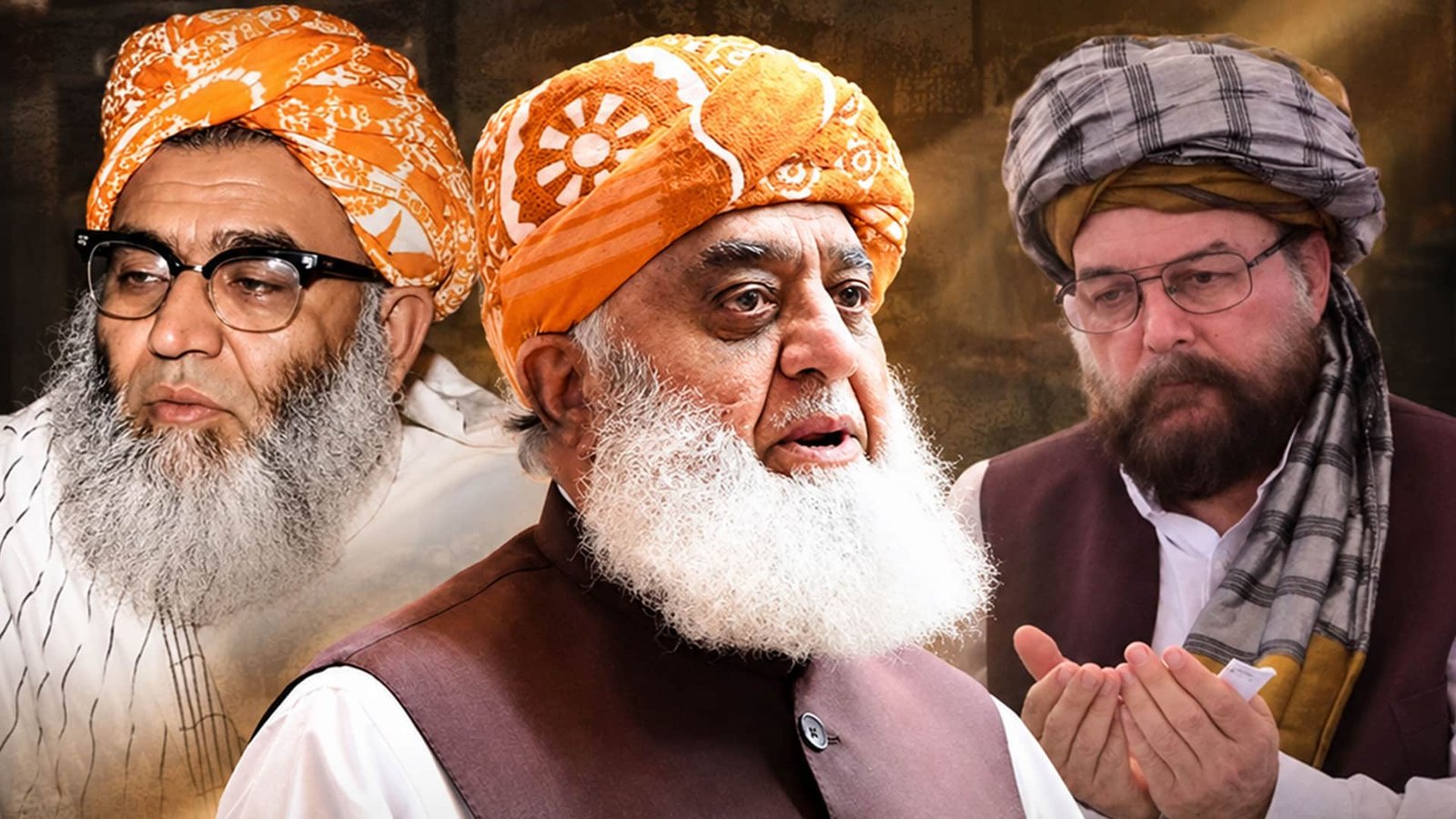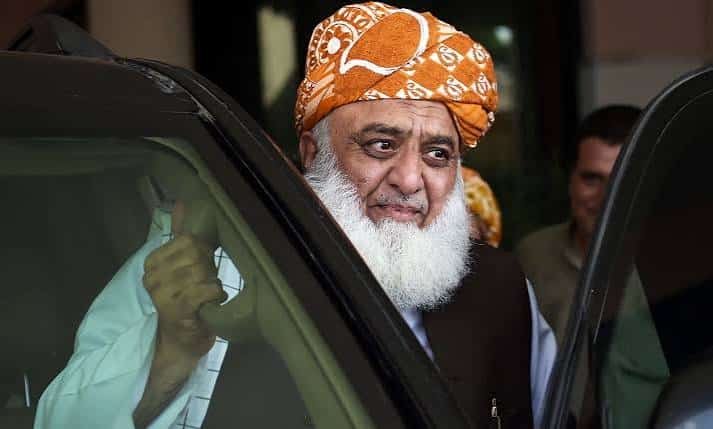
PESHAWAR: Maulana Fazlur Rehman has come under criticism over his statements on security, terrorism and alleged misuse of development funds in Khyber Pakhtunkhwa, with his critics questioning the role of political parties that have governed the province and its former tribal districts over the years.
The criticism centres on the argument that political leaders raising concerns about law and order and development must also answer questions about the region’s longstanding challenges, including deprivation in the former Federally Administered Tribal Areas (FATA), now merged with Khyber Pakhtunkhwa.
Questions Over Tribal Districts’ Development
Critics have accused Fazlur Rehman of overlooking the role of successive governments in addressing—or failing to address—the development needs of the former tribal areas and other underdeveloped districts of Khyber Pakhtunkhwa.
They argue that access to basic services, development funding and economic opportunities remained key challenges for communities in these areas despite years of political representation and successive governments.
However, assessing responsibility for these problems requires examining government records, budget allocations and development outcomes across different administrations.
Political Alliances Under Scrutiny
Fazlur Rehman’s critics have also questioned his political alliances, accusing him of changing positions in response to shifting political circumstances.
They argue that his stance towards political parties and state policies has varied over time, particularly regarding the Pakistan Tehreek-e-Insaf (PTI) and security operations against militant groups.
The criticism raises broader questions about the consistency of political positions on counterterrorism, governance and relations with state institutions. However, establishing whether these changes reflect political opportunism requires examining his public statements and decisions in their historical context.
Allegations of Political Pressure
The criticism further accuses the Jamiat Ulema-e-Islam-Fazl (JUI-F) chief of using political pressure to advance his party’s interests.
His opponents have also questioned what they describe as a gap between religious rhetoric and political positions on national security. They argue that political leaders should clearly distinguish between legitimate political opposition and any support for militant violence.
These remain political allegations and should not be treated as established findings without supporting evidence.
Ultimately, the debate highlights persistent challenges facing Khyber Pakhtunkhwa, including militant violence, governance, development disparities and the accountability of political parties that have held power. A comprehensive assessment would require evidence on public spending, security policy and the performance of successive provincial and federal governments.