DERA BUGTI, Pakistan: A fugitive militant commander who had remained in hiding in the mountains of Balochistan for two decades has surrendered to the provincial government alongside his associates and family members, in a development that could support wider efforts to restore peace in the insurgency-hit province.
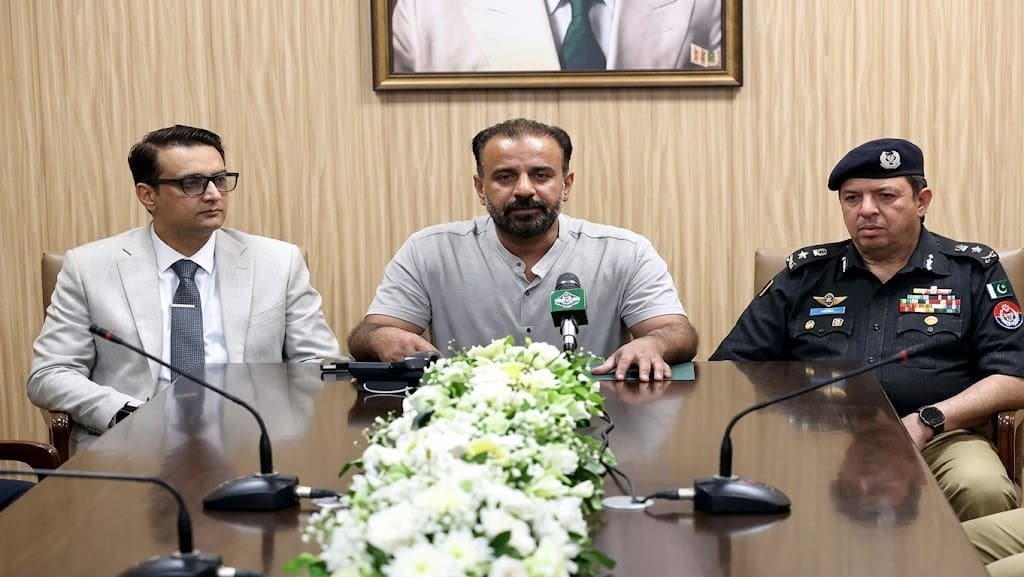
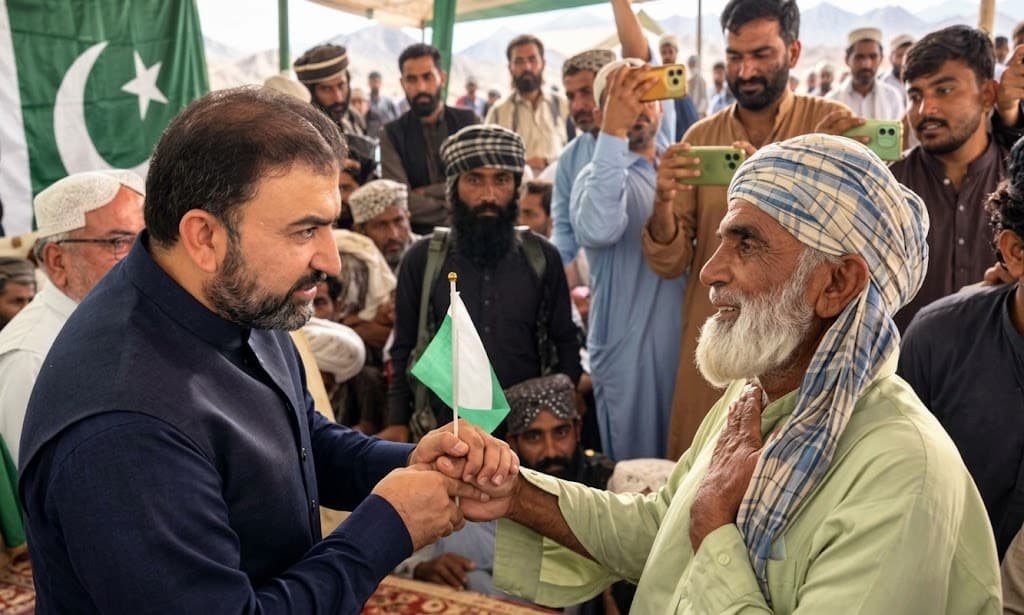
Noor Khan Bugti and 59 others laid down their arms and pledged allegiance to Pakistan before Balochistan Chief Minister Mir Sarfraz Bugti at Pakistan House in Sui on October 11, according to an official statement.
The surrender comes as Pakistani security forces continue intelligence-based operations under Operation Radd-ul-Fitna 3, targeting militant networks that authorities accuse of receiving foreign support and seeking to destabilise Balochistan. However, officials have not publicly established a direct operational link between the latest surrender and the ongoing military campaign.
Two decades in hiding
According to the provincial government, Noor Khan Bugti had been hiding in the mountains for the past 20 years and was allegedly involved in several militant attacks.
Following the surrender, he and his family are expected to settle in Sui, marking a transition from years in hiding to civilian life under the government’s reintegration initiative.
Chief Minister Bugti said loyalty to Pakistan, adherence to the Constitution and the rule of law, and national unity were essential to achieving lasting peace and sustainable development.
He added that the people of Balochistan wanted peace, prosperity and economic progress, stressing that violence and instability could not provide lasting solutions to the province’s challenges.
Moreover, he called for cooperation between state institutions and all segments of society to establish durable peace across the province.
Surrenders amid security operations
The latest development follows several high-profile surrender announcements in Balochistan over the past three years, as the provincial and federal governments pursue a combination of security operations and efforts to bring former militants back into civilian life.
In December 2023, Sarfraz Bangulzai, also known as Murid Baloch, a commander of the banned Baloch Nationalist Army (BNA), announced his surrender alongside 70 associates. During a news conference in Quetta, he said they had abandoned violence and wanted to contribute positively to the development of the province and the country.
Two years later, in December 2025, local separatist leader Wadera Noor Ali Chakarani surrendered his weapons alongside more than 100 associates in Sui, Dera Bugti, and announced his decision to rejoin the national mainstream.
In February 2026, Mirak Khan Chakarani and 24 associates also reportedly surrendered. The group announced plans to join the Chakarani Peace Force.
Together with the latest surrender, these four reported developments account for at least 256 people, based on the figures provided in the respective announcements. The total includes associates and family members in the latest case and therefore does not represent a verified count of former militants alone.
Operation Radd-ul-Fitna 3 and the challenge of lasting peace
Meanwhile, security forces have continued intelligence-based operations under Operation Radd-ul-Fitna 3 against militant groups in Balochistan. Authorities have described the campaign as part of broader efforts to dismantle militant networks, disrupt their activities and eliminate what they call foreign-sponsored terrorism.
In August 2026, official reports said security forces had carried out operations in several districts, including Panjgur, Washuk and Mastung, targeting militants identified by authorities as members of Fitna al-Hindustan.
The surrender announcements and security operations represent two distinct approaches to addressing the province’s security challenges: confronting armed groups through intelligence-led action while encouraging individuals to abandon violence and return to civilian life.
Nevertheless, the long-term impact of these efforts will depend on what happens after the surrender ceremonies.
Security analysts say authorities must ensure that former militants genuinely abandon armed activity, receive appropriate support to rebuild their lives and do not return to violence. Effective reintegration also requires credible arrangements for housing, education and employment, particularly for families affected by years of conflict.
Also Read: 316 Terrorists Killed in Balochistan Since Launch of Radd-ul-Fitna 3
Furthermore, lasting stability will depend on consistent enforcement of the law, addressing local grievances, expanding economic opportunities and strengthening public trust in state institutions.
Consequently, the number of people surrendering their weapons is only one measure of progress. A sustained decline in militant attacks, improved security for local communities and the successful reintegration of former fighters will provide a clearer indication of whether Balochistan is moving towards durable peace.