WASHINGTON: The Trump Iran War strategy remains uncertain as US President Donald Trump weighs whether to bring the conflict with Tehran to a swift end or continue military pressure, while signalling that Cuba could become Washington’s next priority.
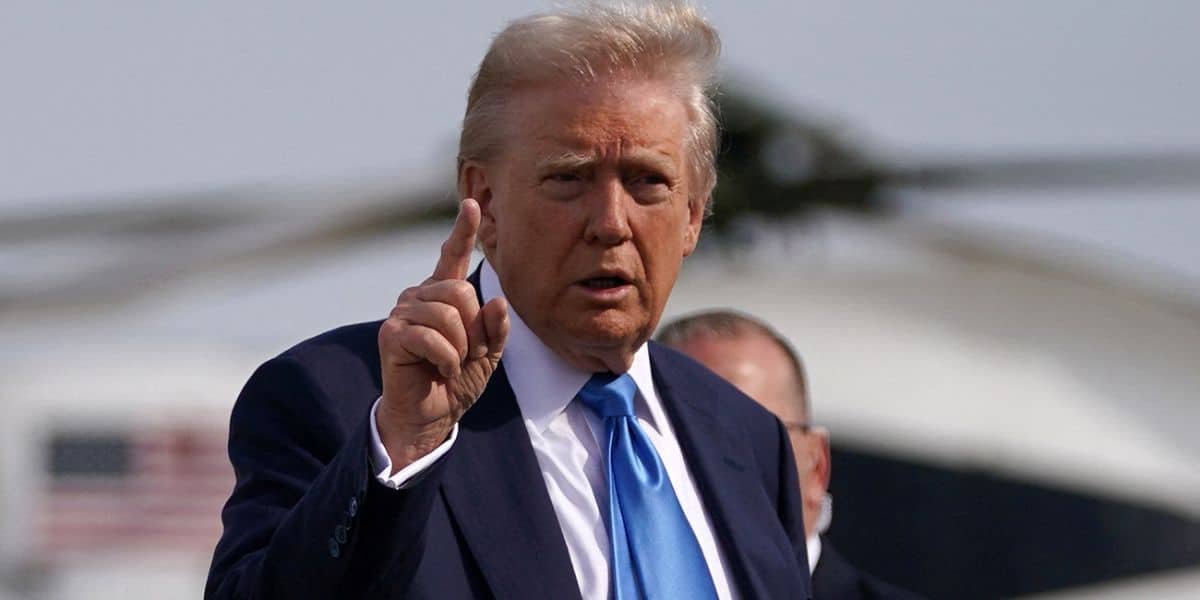
Speaking at a campaign rally in Fort Myers, Florida, on Friday, October 23, Trump questioned whether the United States should conclude the war or further weaken Iran. He suggested that Washington could end the conflict quickly but indicated that additional action remained possible.
Trump also claimed that oil continued to flow through the strategically important Strait of Hormuz, asserting that the United States was maintaining its interests in the waterway. He highlighted Iran’s economic difficulties and inflation as signs of mounting pressure on Tehran.
Trump Iran War Strategy: Cuba in Washington’s Sights
Turning to Cuba, Trump said the United States would address the island after dealing with Iran. He suggested that American naval vessels returning from the Middle East could stop near Cuba and that Secretary of State Marco Rubio would help finalise a deal.
His remarks renewed concerns about possible US intervention in Cuba, where Washington has intensified pressure on the communist government. US restrictions have contributed to an already severe energy crisis, including fuel shortages and widespread power outages, according to reports.
During the rally, Trump also repeated his claim that he had helped prevent or end several international conflicts, including the confrontation between Pakistan and India. He argued that threatened trade restrictions had helped persuade the two nuclear-armed countries to halt hostilities. These assertions were presented as part of his own account of his diplomatic record.
The president’s comments come as rising oil prices create economic and political pressure ahead of the November 3 US midterm elections. The administration now faces the challenge of managing the conflict with Iran while addressing concerns over energy costs and signalling its future approach to Cuba.