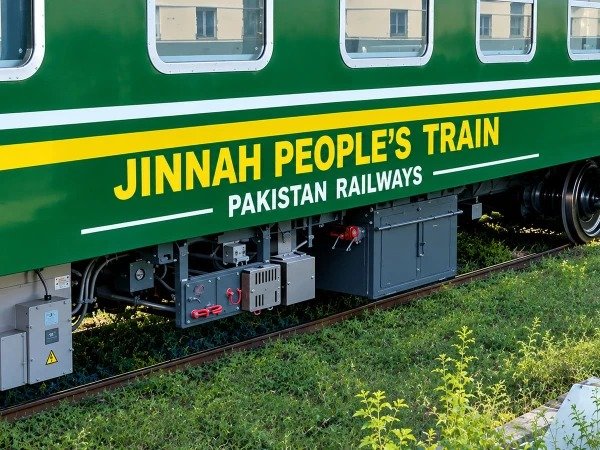
Quetta: In an incident at the Kuchlak Yard in Quetta, the engine of the Jinnah Express train derailed from the tracks during routine shunting operations.
According to railway authorities, engine number 5120 went off the tracks on line number 3, causing a brief disruption.
Railway officials acted promptly, providing a replacement engine—number 5126—to ensure minimal delay, allowing the Jinnah Express to resume its journey from Kuchlak to Sariab.
The train departed from Kuchlak at 10:15 AM and successfully reached Sariab at 11:30 AM.
Authorities noted that initial investigations point toward the theft of a fishplate as the primary cause of the derailment, though a comprehensive inquiry is currently underway to determine all underlying facts.
Railway officials have confirmed that the Jinnah Express train service remains fully operational and has been restored to its regular schedule.
This incident highlights a persistent infrastructure challenge facing the nation’s railway network.
Looking at trains derailing from tracks in Pakistan in past few years in Pakistan, the railway sector has faced severe scrutiny due to aging infrastructure, compromised tracks, and rampant theft of vital railway hardware such as fishplates, clips, and bolts.
Major accidents and frequent minor derailments across various provinces have continually exposed vulnerabilities in track maintenance and security.
While railway administrations frequently launch inquiries and attempt to upgrade security along vulnerable sections, recurring incidents underscore the urgent need for a comprehensive overhaul of track monitoring systems, stricter penalties for infrastructural vandalism, and enhanced preventive maintenance to ensure passenger safety across all rail corridors.
Among the major causes of trains derailing from tracks in Pakistan, dilapidated and outdated railway infrastructure is at the top of the list.
Additionally, poor track maintenance, the escalating theft of fishplates, bolts, and clips, and a lack of timely track repairs frequently lead to major accidents.
In many instances, excessive load limits and outdated signaling systems further exacerbate this serious issue.