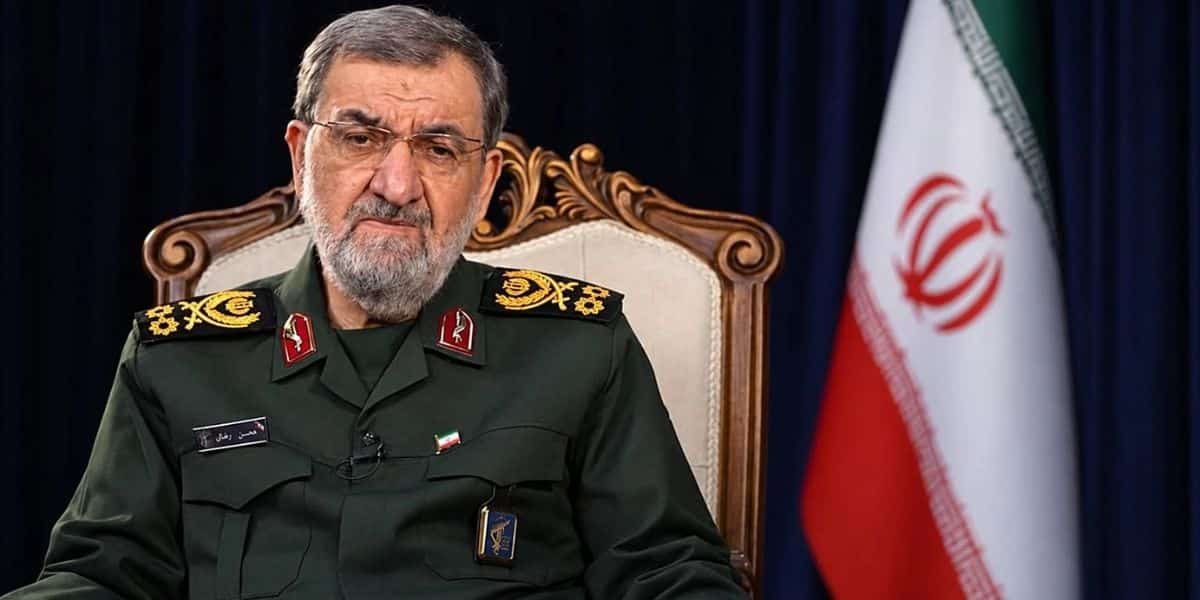
TEHRAN: Mohsen Rezaei, Secretary of Iran’s Supreme National Security Council, has claimed that the United States has agreed to some of Iran’s seven conditions, while stressing that Washington’s overall response remains insufficient. Rezaei said Iran will decide the end of the conflict, adding that Tehran’s diplomatic approach has fundamentally changed and that a return to the pre-war status quo is no longer possible.
Mohsen Rezaei Says Iran Will Decide End of Conflict as He Criticizes Trump
Rezaei sharply criticized US President Donald Trump, accusing him of being misled by Israeli Prime Minister Benjamin Netanyahu and launching what he described as one of the most foolish wars in human history under the illusion that Iran could be conquered.
He argued that the United States had underestimated Iran’s resolve and capabilities, adding that the country would not return to the situation that existed before the conflict.
Strait of Hormuz Standoff Remains a Key Issue
Commenting on maritime tensions, Rezaei claimed that the US naval fleet had failed to reopen the strategically important Strait of Hormuz and accused Washington of resorting to smuggling. He also described the situation as a humiliating moment for the US military.
The Strait of Hormuz is a critical global shipping route for oil and other energy supplies. Disruptions in the waterway can affect international energy markets and maritime trade.
Iran Says US Response Falls Short of Its Conditions
Rezaei’s remarks suggest that Tehran considers any partial US acceptance of its demands insufficient to resolve the broader confrontation. He maintained that Iran’s diplomatic position has changed and indicated that the country would not accept a return to the pre-war situation.
Also Read: UN chief Antonio Guterres Arrives in Pakistan as US-Iran Conflict Tops Talks
His claims regarding US acceptance of Iran’s conditions and the situation in the Strait of Hormuz could not be independently verified from the information provided.
The statements underscore the continuing tensions between Washington and Tehran, with the prospects for de-escalation depending on the positions taken by both sides.