
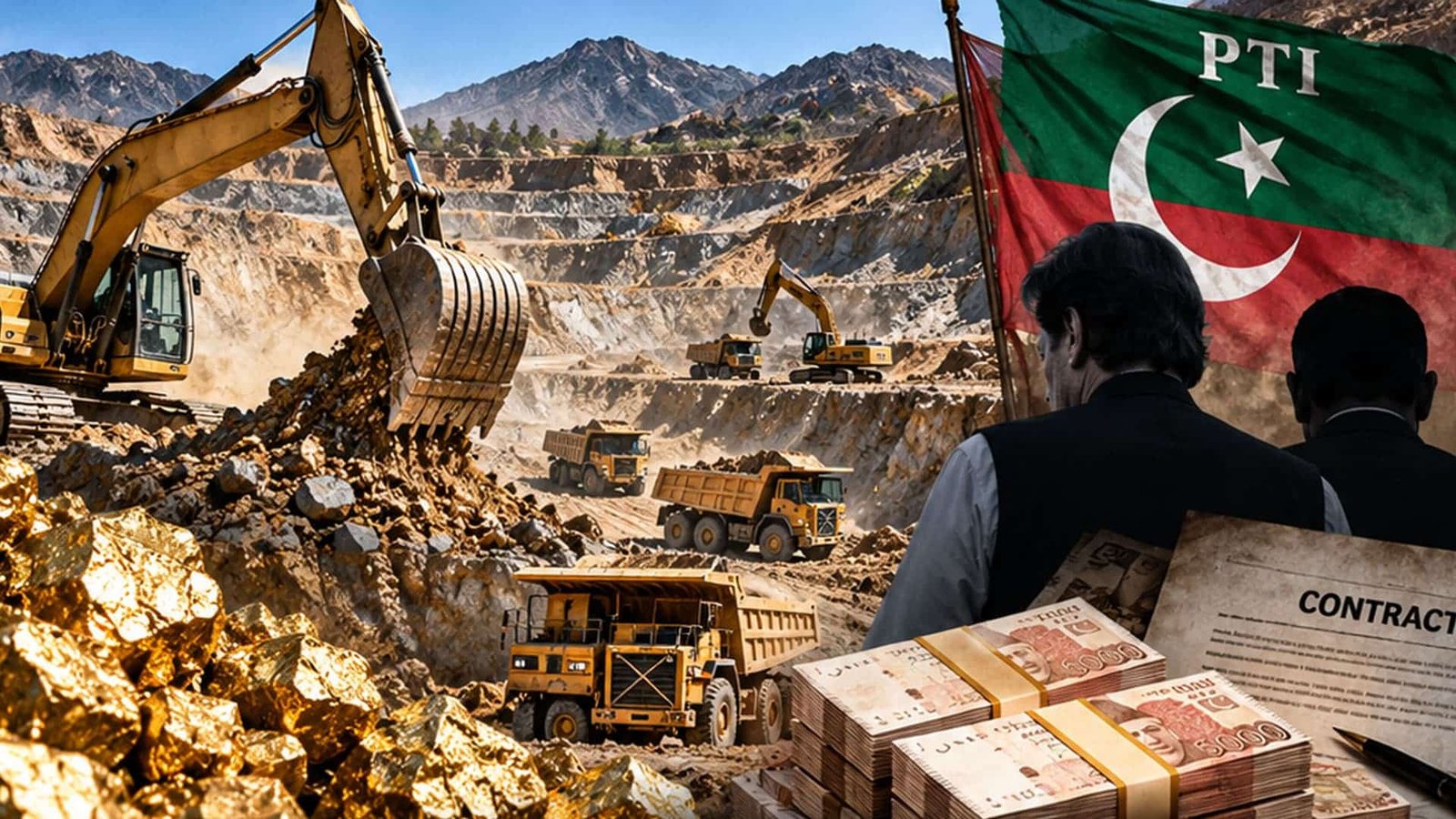
PESHAWAR: Billions of rupees in gold-mining contracts, questions over auction transparency and mining despite a court order have brought Khyber Pakhtunkhwa’s PTI-era mineral deals under intense scrutiny. NAB has reportedly sought records from the provincial Mines and Minerals Department as concerns mount over how the contracts were awarded and monitored.
According to an official report issued in October 2024, four mineral blocks for placer gold exploration along the Indus River were auctioned for a combined amount of approximately Rs4.93 billion. However, NAB has reportedly sought records from the provincial Mines and Minerals Department amid concerns that the bidding process may have favoured specific companies and failed to comply with prescribed rules.
The controversy extends beyond the award of contracts. Questions have also emerged over mining activities that allegedly continued in November 2024 despite a stay order issued by the Peshawar High Court.
Four gold-mining blocks awarded for Rs4.93 billion
The October 2024 report listed the following contracts:
-
Block A: Rs1.25 billion, awarded to Globa Core (Pvt) Ltd.
-
Block B: Rs1.261 billion, awarded to Majko (Pvt) Ltd.
-
Block C: Rs1.305 billion, awarded to Himalaya Earth (Pvt) Ltd.
-
Block D: Rs1.1111 billion, awarded to Shakardara Minerals (Pvt) Ltd.
The combined value of the four contracts was approximately Rs4.93 billion. NAB’s reported objections have placed the process under scrutiny, particularly over how the reserve prices were determined and whether the government adequately assessed the value of the gold deposits before putting the blocks up for auction.
Geological data and auction rules under scrutiny
A key concern involves the alleged disregard of a 2015 geological study when setting the base prices for the mineral blocks. Questions have also been raised about whether officials established reliable estimates of the gold reserves before determining the minimum bidding prices.
Investigators are reportedly examining possible violations of the Mineral Auction Rules 2022, including concerns about the auction procedure and the issuance of allotment letters despite contracts allegedly not being completed within the prescribed 14-day period.
The inquiry also reportedly covers geological mapping that began in February 2022 but was halted in November 2023. The circumstances surrounding the suspension of the work, and its implications for the assessment of mineral deposits, have become part of the broader questions surrounding the contracts.
Mining allegedly continued despite court order
Another major concern is the reported continuation of mining activities despite a Peshawar High Court stay order. The allegations raise questions about which authorities permitted the operations to continue and what legal basis they relied on.
NAB has also reportedly objected to mining activities allegedly carried out without environmental approval and the required mining plans.
More than 1,500 excavators were reportedly operating in the relevant areas, with allegations that leaseholders collected between Rs500,000 and Rs700,000 per excavator each week.
The material cited in connection with the allegations further estimates that unauthorised subleasing could have generated between Rs7.5 billion and more than Rs10 billion a week. These figures remain allegations and estimates; they do not, by themselves, establish the amount actually earned or any criminal wrongdoing.
Gold production and sales records questioned
The reported objections also concern the absence of complete records showing how much gold mining operations produced and sold. Without reliable production and sales data, questions arise over whether the government could properly monitor extraction, calculate its financial returns and ensure that leaseholders met their obligations.
The allegations collectively raise questions about the conduct of the auctions, the assessment of mineral reserves, compliance with court orders and environmental requirements, and the oversight exercised by provincial authorities during the PTI government’s tenure.
Gandapur defended the auctions
Former Khyber Pakhtunkhwa chief minister Ali Amin Gandapur previously defended the auctions, maintaining that the contracts secured higher prices than before and that legal requirements had been fulfilled.
His position contrasts with the concerns reportedly raised by NAB, which has sought records from the provincial minerals department as scrutiny of the disputed contracts continues.
The allegations do not amount to a final determination of guilt. The records, bidding documents and responses from the companies and officials concerned will be essential to establishing whether the contracts involved unlawful favouritism, procedural violations or financial losses to the provincial government.