ISLAMABAD: The Indian Air Force fighter squadron shortage continues to pose a significant challenge for New Delhi as delays in new aircraft deliveries and the retirement of ageing combat platforms put pressure on India’s plans to rebuild its fighter fleet. Meanwhile, the Pakistan Air Force (PAF) continues to modernise its combat capabilities through J-10C and JF-17 Block III fighter programmes, alongside upgrades to its existing F-16 fleet.
The IAF has a sanctioned requirement of 42 fighter squadrons but has been operating with considerably fewer, according to publicly reported figures. The gap has increased pressure on India to accelerate aircraft production, procurement and deliveries.
Indian Air Force fighter squadron shortage deepens amid Tejas delays
The Indian Air Force fighter squadron shortage has been compounded by delays affecting the HAL Tejas Mk-1A programme, which is intended to replace some of the IAF’s ageing aircraft and contribute to rebuilding its operational strength.
Delivery schedules have faced challenges involving engine supplies and broader production constraints. The delays have added to concerns over the pace at which India can replenish its fighter inventory as older aircraft approach retirement.
The IAF is also facing the eventual retirement of legacy platforms, including Jaguar and MiG-29 aircraft, making timely induction of replacement fighters increasingly important.
PAF continues fighter fleet modernisation
While India works to address its fighter-squadron gap, the Pakistan Air Force has continued with a multi-platform modernisation programme.
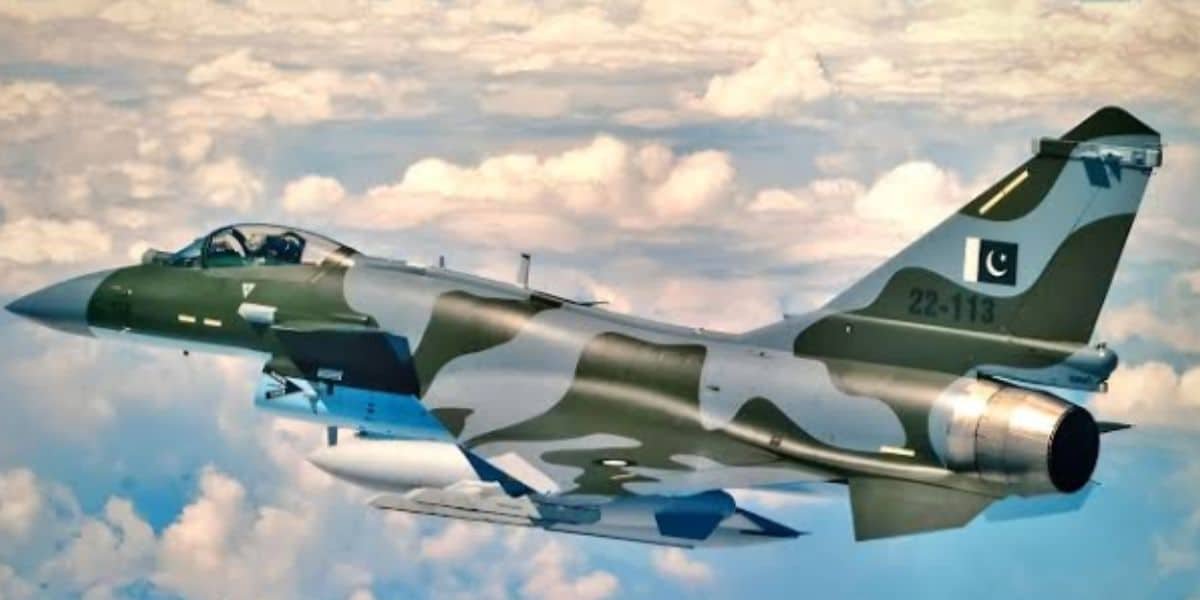
Pakistan has inducted J-10C multirole fighters and continues to develop and produce the JF-17 Thunder, including the advanced Block III variant through the Pakistan Aeronautical Complex (PAC).
The J-10C has added another modern multirole platform to the PAF inventory, while the JF-17 Block III programme represents Pakistan’s continuing effort to strengthen its domestic aerospace and fighter-production capabilities.
Pakistan has also pursued upgrades to parts of its F-16 fleet, including improvements to avionics and mission systems.
J-10C and JF-17 Block III strengthen PAF capabilities
The continued induction of J-10C fighter jets and JF-17 Block III aircraft provides the PAF with multiple modern fighter platforms.
The combination of foreign-origin aircraft, domestic fighter production and fleet upgrades allows Pakistan to pursue a diversified approach to combat-aircraft modernisation.
The JF-17 programme is particularly significant for Pakistan because of the role played by PAC in production and development, giving the country greater experience in maintaining and upgrading its own fighter fleet.
IAF modernisation faces a race against retirements
India’s challenge extends beyond the Tejas Mk-1A delivery schedule. The IAF must simultaneously manage the retirement of older aircraft while bringing new fighters into service.
Additional fighter procurement programmes, including plans involving Rafale aircraft, are expected to contribute to India’s long-term modernisation efforts. However, procurement and delivery timelines mean that closing the squadron gap is likely to remain a gradual process.
PAF vs IAF: A changing regional air-power landscape
The PAF vs IAF comparison involves more than the number of fighter squadrons. Aircraft availability, pilot training, weapons inventories, radar and airborne early-warning capabilities, electronic warfare, maintenance and operational readiness all influence overall air-power effectiveness.
Also Read: Turkish Air Force F-16 Crashes During Training Flight
Still, the Indian Air Force fighter squadron shortage remains a prominent challenge for India, while Pakistan continues to invest in a combination of J-10C acquisitions, JF-17 Block III production and F-16 upgrades.
The contrasting modernisation paths of the two air forces will continue to shape the regional air-power balance, particularly as both countries seek to maintain credible combat readiness and replace ageing aircraft.