ISLAMABAD: Government has announced a scheme of subsidized scooties across Pakistan.
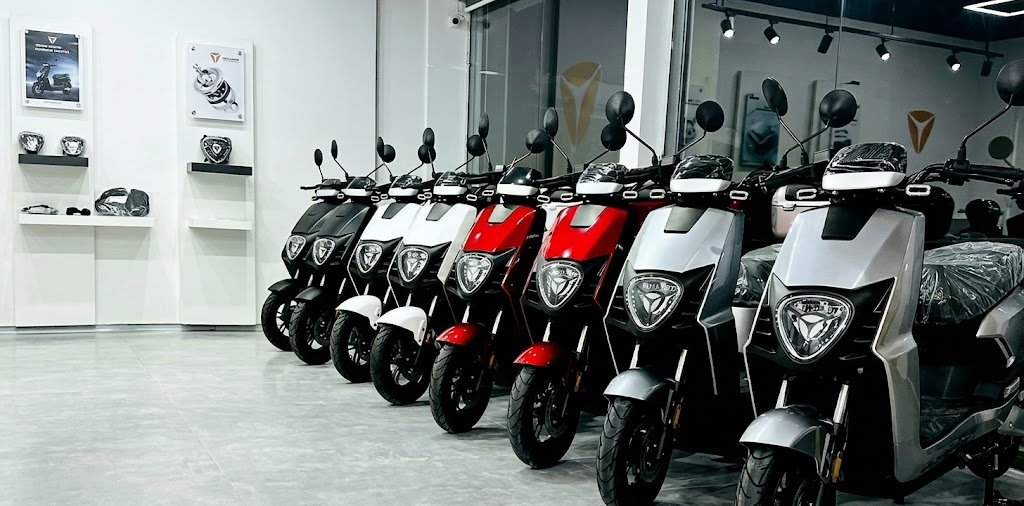
According to the details, In a groundbreaking initiative to promote eco-friendly and affordable transportation, the Engineering Development Board (EDB) has invited proposals from manufacturing companies to deliver one lakh electric bikes within a 90-day period.
Under the devised plan, a significant proposal is under consideration to provide a massive subsidy of Rs. 80,000 to citizens purchasing an electric bike.
This financial support aims to alleviate the burden of rising petrol prices on the common man.
The supply of these one lakh electric bikes will be structured into 200 batches, with each batch containing 500 units.
The selection of manufacturing partners will be conducted through a transparent and competitive bidding process.
A core objective of the project is to simultaneously boost the local manufacturing industry.
According to the EDB, interested companies can submit their proposals on the PPRA e-portal until 11 AM on November 3, 2026.
This monumental project for one lakh electric bikes signifies the government’s commitment to both technological advancement and public facilitation.
Government Measures for Public Welfare
The Government of Pakistan, under its comprehensive public welfare strategy, has been implementing various measures aimed at improving the quality of life for its citizens.
These initiatives are designed not only to provide immediate relief but also to build a sustainable and inclusive economic future.
From health and education to affordable housing and technology adoption, the scope of these welfare measures is wide.
One of the cornerstone policies is the targeting of energy costs for consumers.
By proposing a substantial subsidy of Rs. 80,000 for electric bikes, the government is proactively addressing the energy price burden on transportation, which is a major expense for common people.
This measure is doubly beneficial as it directly supports the public and facilitates a transition towards zero-emission transport, combating the growing menace of urban air pollution.
Furthermore, prioritizing the purchase of one lakh electric bikes from local manufacturers strengthens the domestic economy, creates jobs, and reduces reliance on expensive, foreign-imported technologies.
Beyond this, programs like the Ehsaas and Benazir Income Support Program (BISP) continue to provide a vital safety net to the most vulnerable segments of society through direct cash transfers and specific social protection initiatives.
Health facilitation is being expanded through the Sehat Insaf Card scheme, allowing millions of citizens free access to premium medical services.
In education, extensive scholarship programs ensure that financial constraints do not hinder students from pursuing higher education.
ALSO READ: IMF agrees to continue fuel subsidy scheme under strict conditions
Collectively, these strategic measures represent a structured approach by the government to enhance public well-being, reduce poverty, and build a more resilient nation.