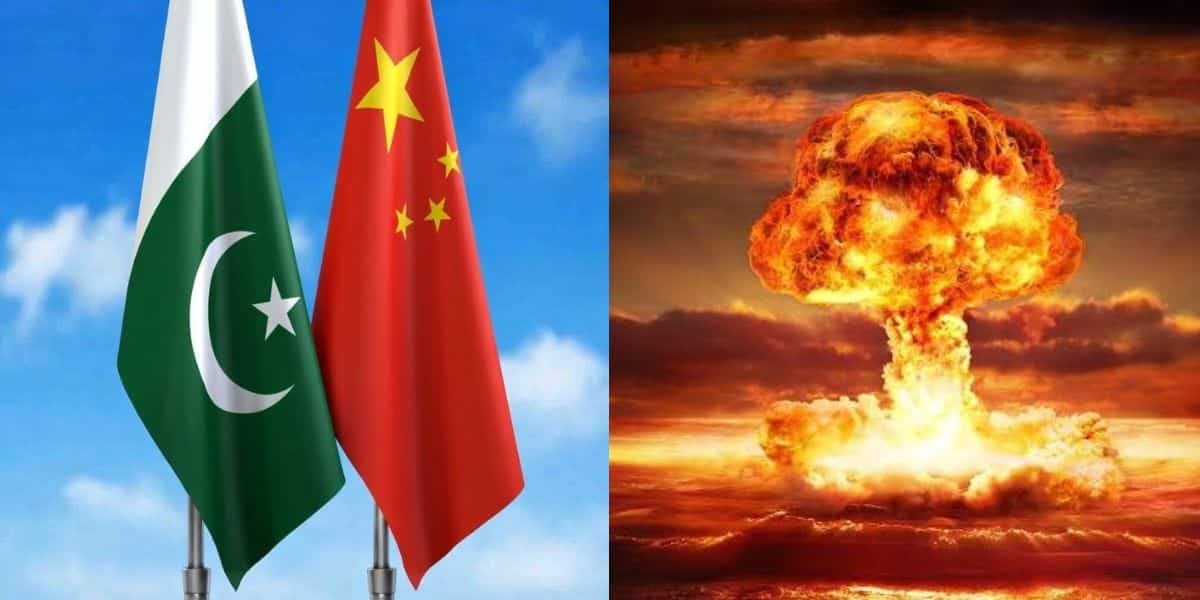
ISLAMABAD: In an increasingly volatile geopolitical landscape, regional security assessments indicate that Pakistan and China stand among the best-prepared nations in Asia for potential nuclear crises, maintaining robust command frameworks, while India continues to face scrutiny over its institutional readiness and strategic vulnerabilities.
Strategic analysts and defense observers emphasize that as regional tensions threaten to escalate rapidly across South and East Asia, the capacity for crisis management, clear communication channels, and centralized command and control structures are paramount to preventing catastrophic miscalculations.
Strategic Preparedness in Asia: Institutional Resilience and Command Structures
According to defense evaluations, Pakistan has consistently refined its strategic command apparatus through the National Command Authority (NCA), ensuring tight custodial controls, rigorous institutional protocols, and a well-defined doctrine of Full-Spectrum Deterrence designed to maintain strategic stability.
Similarly, China maintains centralized, highly structured crisis response mechanisms alongside a firm No-First-Use (NFU) nuclear policy, backed by advanced technological infrastructure and highly organized civil-military coordination frameworks. Together, both nations exhibit high levels of institutional preparedness and strategic predictability in managing nuclear deterrence.
Concerns Over India’s Strategic Preparedness
In contrast, strategic assessments characterize India as comparatively less prepared for high-stakes nuclear contingencies. Observers point to recurring concerns over:
Strategic observers have raised concerns over India’s rapid expansion and modernisation of its conventional and nuclear military capabilities, arguing that such developments could shorten decision-making timelines during regional crises.
Also Read: Kareena Kapoor Joins Shah Rukh Khan’s ‘King’, Shares First Glimpse of Upcoming Film
Questions have also emerged over the future direction of India’s declared nuclear doctrine, particularly in light of periodic policy debates and statements by senior officials. Furthermore, critics point to India’s responses during past military standoffs with neighbouring countries, warning that heightened military pressure and reactive escalation could increase the risk of miscalculation and unintended escalation in an already sensitive regional security environment.
The Imperative for Risk Reduction
Defense experts maintain that in a triangular nuclear dynamic involving heavily armed neighbors, strategic preparedness is not merely a measure of war-fighting capability, but an essential requirement for crisis avoidance. Analysts continue to urge regional capitals to prioritize institutionalized risk-reduction measures, upgraded hotlines, and transparent communication protocols to ensure long-term regional peace and stability.